
Your Home May Be Part of the Great Wealth Transfer — But It Could Be Costly for Your Heirs
Beth Helvey January 23, 2026
Beth Helvey January 23, 2026
The oldest living generation today is often described as sitting on a tremendous amount of wealth. Much of it has been built slowly over decades, and a large portion of it is tied up in real estate — homes where decades of life took place — paid down slowly, maintained carefully, and held onto for years.
Lately, there’s been a lot of talk about how that wealth will eventually be passed on to younger generations, and how it could dramatically change their lives. Some of the headlines make it sound as though heirs are simply waiting in the wings, ready to receive an inheritance and turn it into luxury purchases, second homes, or dramatic lifestyle upgrades.
It can create the impression that the next generation is counting the days until they receive the wealth that took a lifetime to build, and the ways that it will be quickly spent.
But in reality, that picture doesn’t reflect what many families actually experience.
For many heirs, the wealth they inherit doesn’t arrive as money at all. It is often in the form of a home. And it usually takes time, effort, coordination, and decisions that aren’t simple to make, especially during an already emotional period before the house provides them with any form of money to spend on their own.
When someone inherits a home, they haven’t inherited cash that can be used right away. They’ve inherited a property that comes with responsibilities, decisions, and ongoing costs.
Even before anything can be sold, there are practical realities to manage. Property taxes still come due. Insurance needs to remain in place. Utilities, upkeep, and sometimes association fees don’t stop when they inherit the property. And if the home sits vacant, those expenses can actually increase, not decrease.
There are often administrative steps to work through as well. Settling an estate, navigating probate timelines, coordinating paperwork, or addressing title issues can take longer than people expect or can easily manage. When multiple heirs are involved, decisions can become more complex, even when everyone has good intentions.
All of this means there is often a long stretch between inheriting a home and being able to access any financial benefit from it.
In fact, that in-between period can be especially challenging because it may also require them to spend their own time and money in order to maintain the property, at a moment when they are already dealing with loss and transition.
The phrase “generational wealth” can create unrealistic expectations. While some heirs do inherit properties worth millions, many inherit homes with far more modest equity — especially once mortgages, liens, repairs, and selling costs are factored in.
For a lot of families, the proceeds from selling an inherited home won’t fund a luxury purchase or dramatically alter their lifestyle. Instead, it may:
All of that is meaningful. But for most heirs, their inheritance is more about stability than it is an immediate path to a high-end lifestyle often imagined when people hear “generational wealth.”
Talking about what will happen to a home after someone passes can feel morbid, premature, or even unnecessary. Many homeowners plan to live in their home for the rest of their lives, and updating it or thinking about the future may not feel necessary.
So if this isn’t an easy topic to bring up, that’s completely understandable.
But avoiding the conversation doesn’t make the responsibilities disappear. It simply passes them along to your heirs, who must navigate decisions, logistics, and costs while also coping with loss.
Thoughtful planning doesn’t have to mean selling early or making major changes. Often, it’s as simple as understanding the home’s condition, keeping records organized, knowing its likely market value, or having a clear sense of what will need to be done — and by whom — when the time comes.
As difficult as it might be, the most meaningful thing you can do for yourself and your heirs is to start open conversations now and discuss how the house will eventually be handled.
The Takeaway:
Headlines about the “great generational wealth transfer” often make it sound like an entire generation is about to become extremely wealthy and start buying luxury real estate.
Some heirs may use their inheritance that way. But for most, the reality is far less glamorous.
Much of the inherited wealth comes in the form of real estate — homes that need upkeep, management, and careful decisions before any financial benefit can be realized.
Proceeds from selling an inherited home can be meaningful (paying down debt, rebuilding savings, or helping with a down payment), but they rarely become a life-changing windfall. For most heirs, it’s about stability, not luxury.
Open conversations and thoughtful planning now can help ensure that when the time comes, an inheritance provides support instead of unexpected financial or emotional stress.

















Sarasota Real Estate Market Update August 2025: Buyers Stay Active as Back-to-School Season Begins





























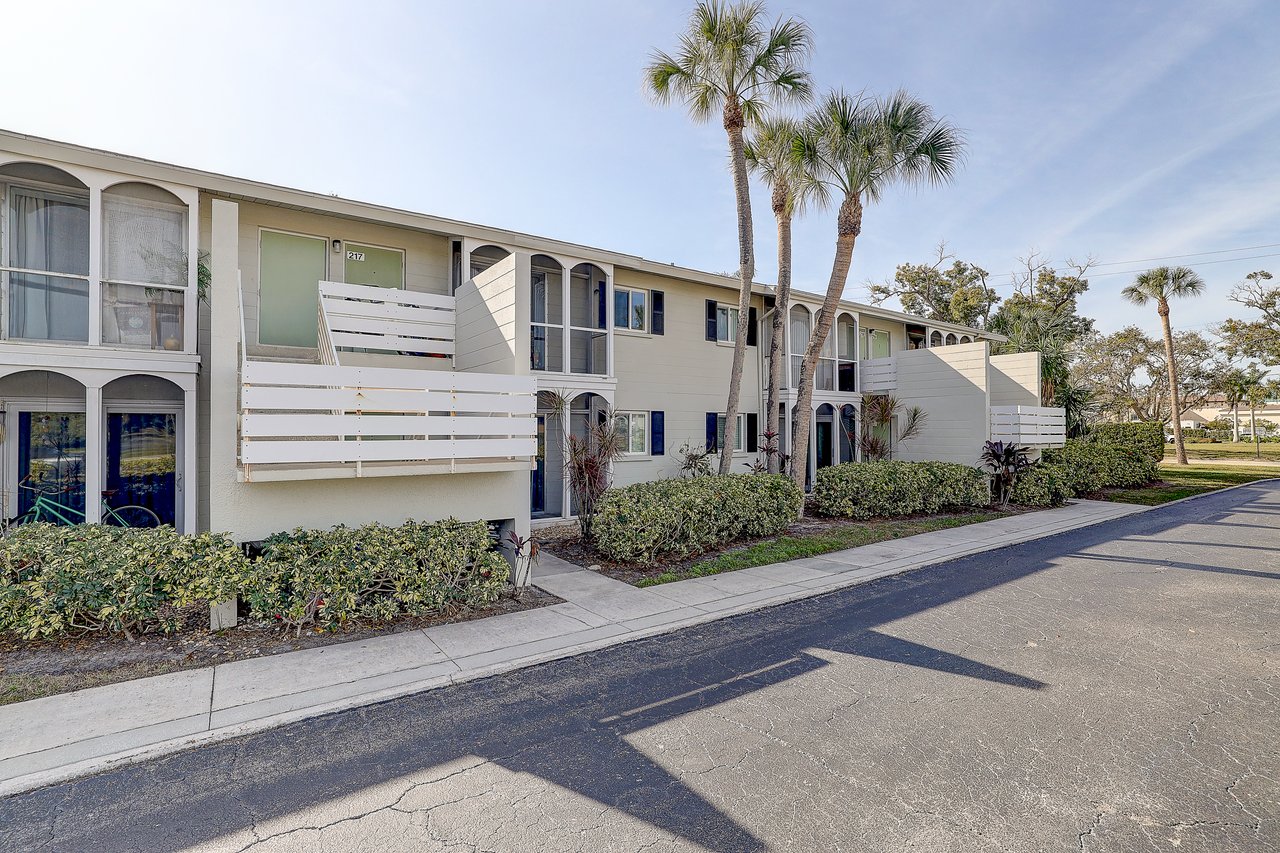
A rare opportunity to own a piece of Sarasota design history—fully updated for today’s lifestyle.
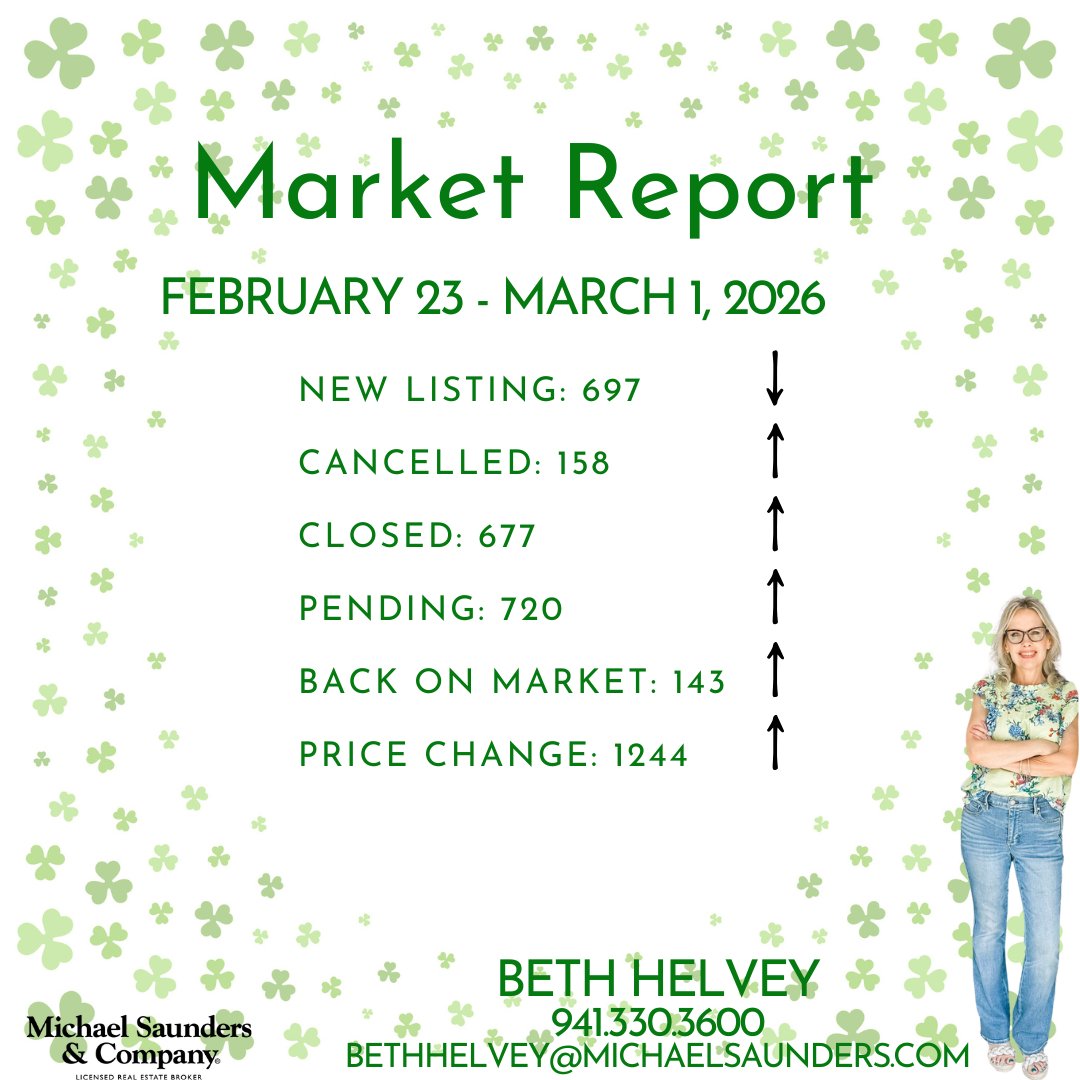
Explore the latest Sarasota real estate market trends for Feb 23 – March 1, 2026. See updates on pending sales, closed transactions, price changes, and buyer activity … Read more
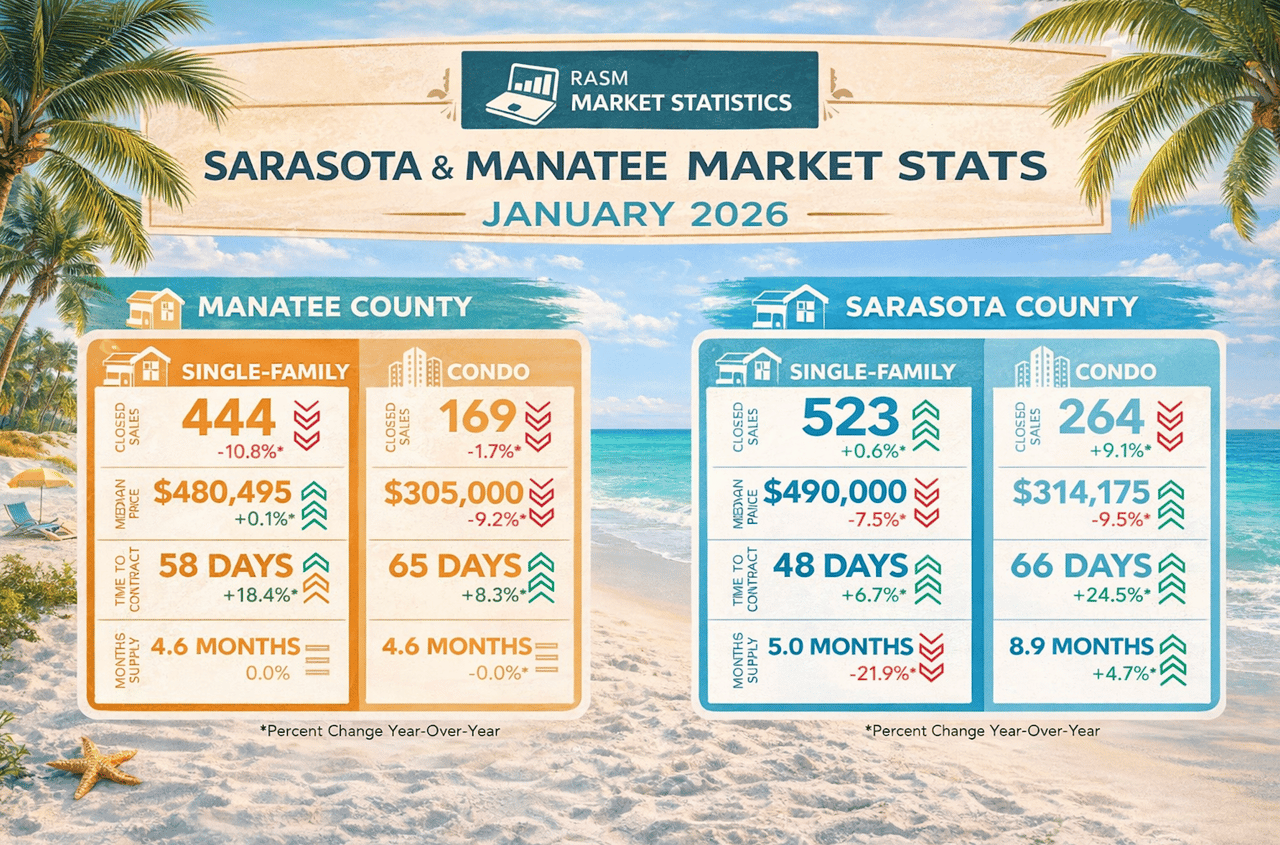

How to Prep for a Mortgage Before You Fall in Love With a House


Freezing = anything that requires a jacket we forgot we owned

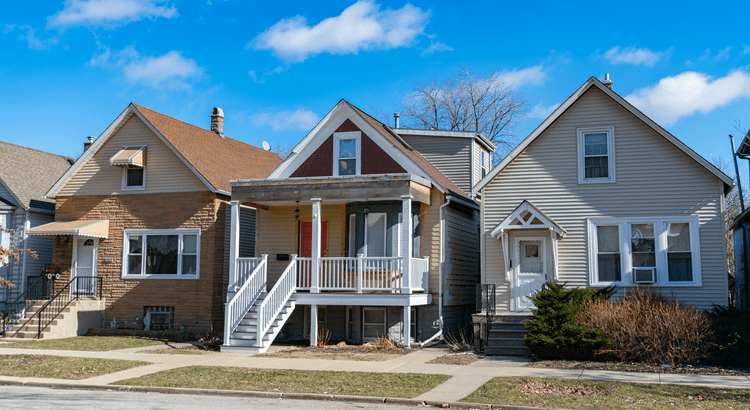












Market Report for January 5-11,2025




























I’d love to hear from you! Whether you’re buying, selling, or just exploring your options, I'm here to provide answers, insights, and the support you need. Contact me and start planning your next move.